2026 Renault Duster: The Comeback Kid Has Earned Its Hype
161 BHP, 280 Nm, 212 mm ground clearance, and a starting price of ₹10.49 lakh. The new Duster is back - and it means business.
Almost 14 years after the original Duster rewrote the rules of the compact SUV segment, Renault is back with a third-generation model. The hype has been enormous. The question is whether the car lives up to it - and the answer is a resounding yes.
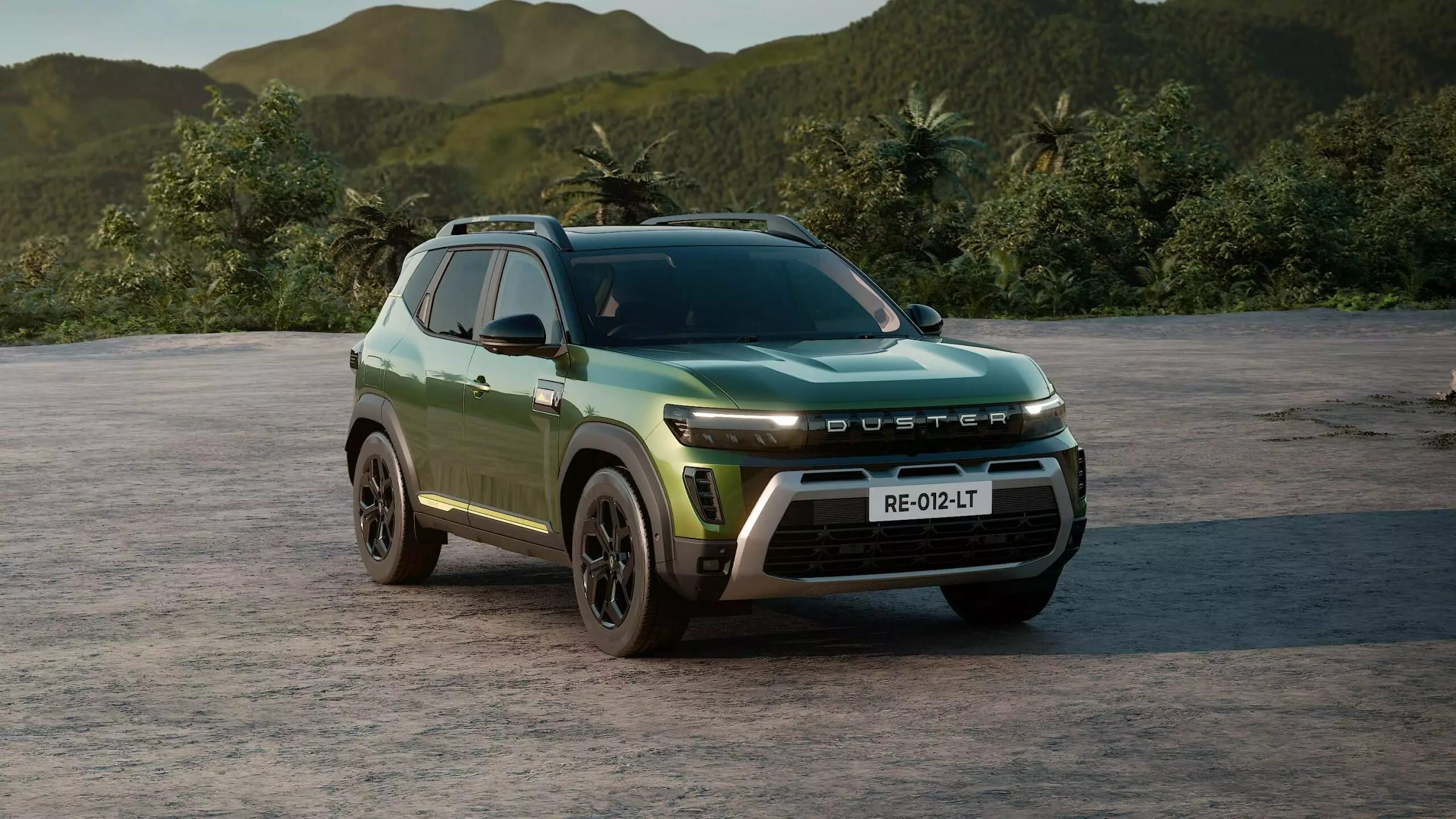
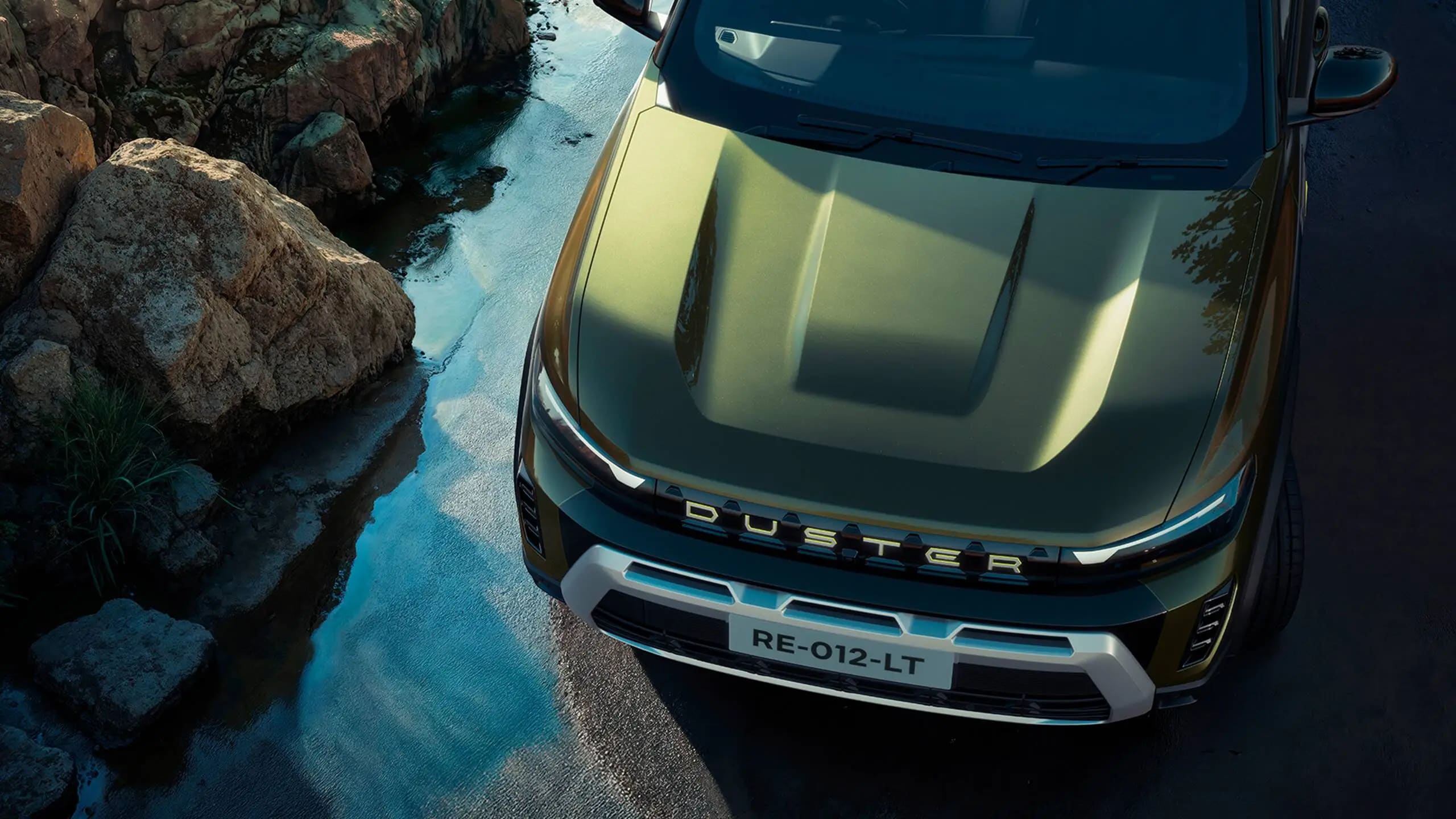
The design strikes a balance that’s hard to pull off - it looks modern without trying too hard. Boxy silhouette, imposing stance, connected tail lamps at the rear. The ‘Duster’ name sits proudly on the front fascia, and there’s no Renault logo up front - a first in recent memory. The Jade Mountain Green shade with neon yellow accents on the limited Iconic Launch Edition is genuinely head-turning. Six colours in total: Pearl White, Moonlight Silver, Stealth Black, Sunset Red, River Blue, and the Jade Mountain Green.
Dimensions are 4,346 mm in length, 1,815 mm in width, and 1,703 mm in height, with a 2,657 mm wheelbase. The build feels solid - consistent panel gaps, good paint quality, doors with real heft to them. The platform is 90% India-specific, called the Renault Group Modular Platform, and it shows in how purposefully this car is put together.
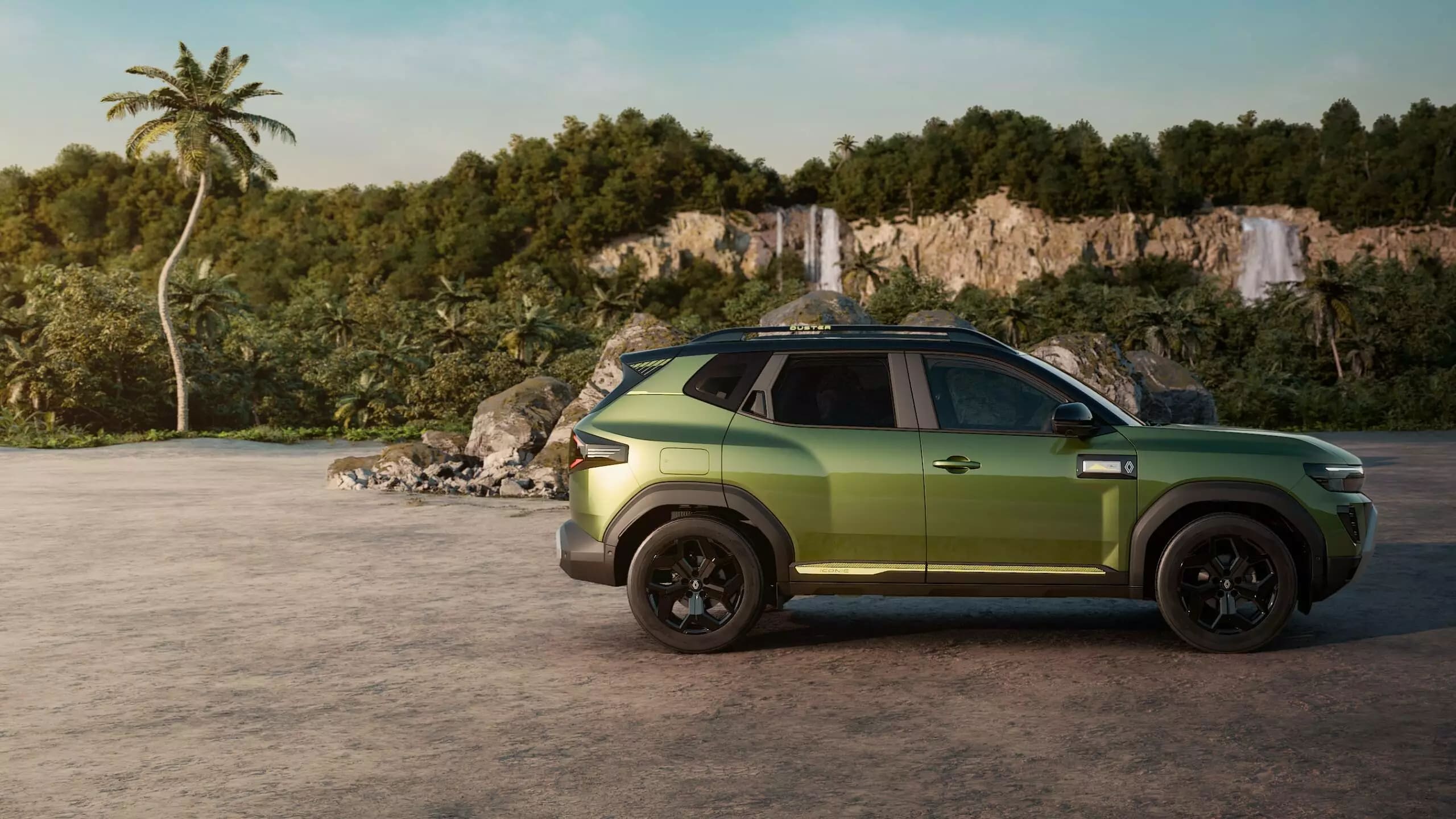
Ground clearance is 212 mm, with approach and departure angles of 26.9 and 34.7 degrees. We drove it on off-road patches and dried-up riverbeds without a single scrape. The only baffling omission: no spare wheel, despite a full-sized wheel well under the boot floor.
Interior Cabin & Google-Integrated Tech
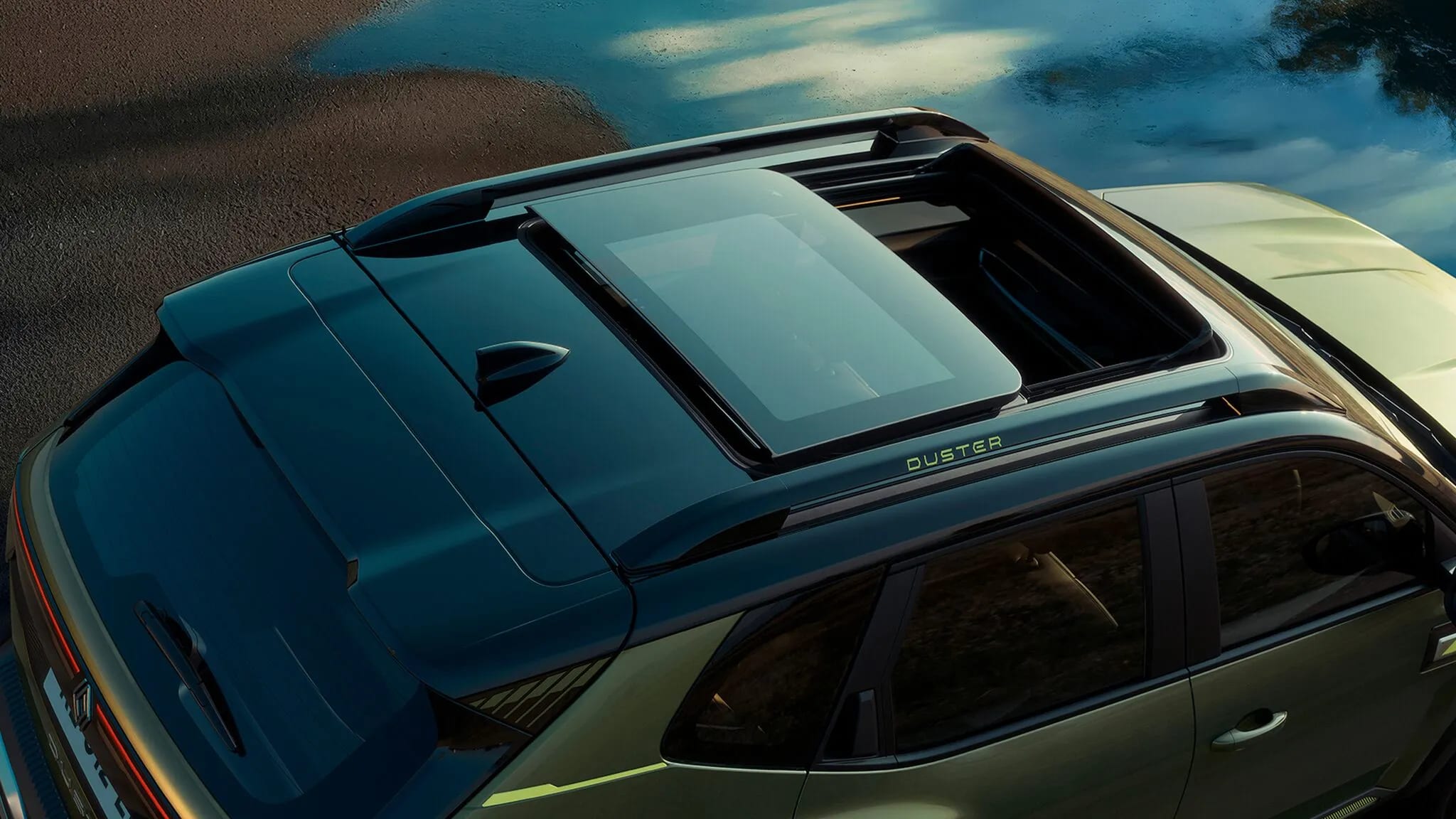
The cabin is a massive upgrade from the outgoing car. Dual-zone climate control, a panoramic sunroof, powered and ventilated front seats, and a 10.1-inch touchscreen are all on the table. The top Iconic variant gets Google integration baked in - you can access Google Maps directly on the screen without connecting your phone, and it mirrors onto the digital instrument cluster, leaving the touchscreen free. Wireless Android Auto and Apple CarPlay are on all variants above the base.
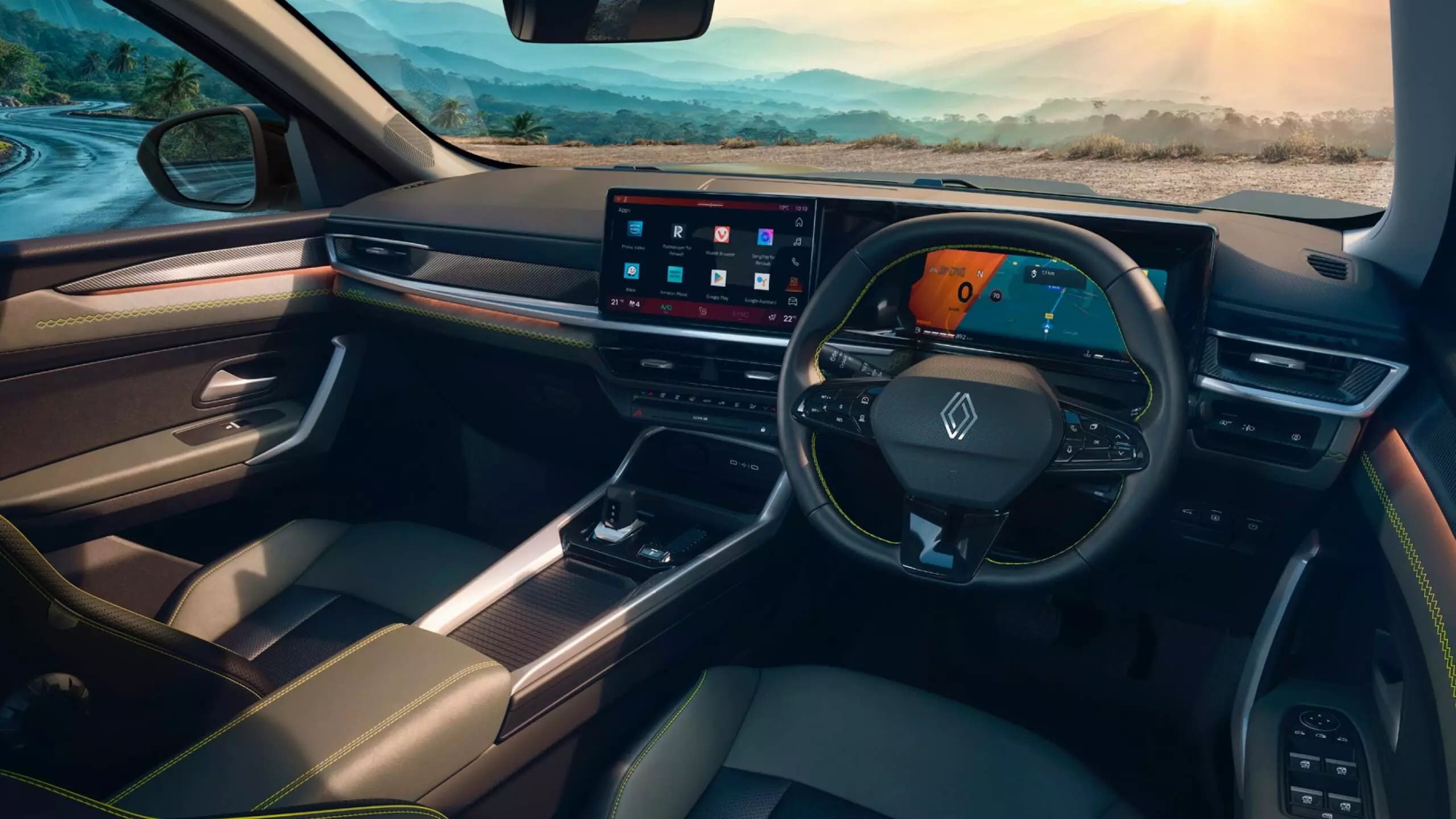
The wide, horizontal dashboard is well laid out, and ergonomics are sorted. The steering adjusts for rake and reach. Visibility from the driver’s seat is excellent - you can see the entire bonnet clearly, which is great for tight spots. Storage is adequate, though the glovebox is disappointingly small due to the LHD-to-RHD platform conversion.
Boot space is a segment-leading 518 litres to the parcel shelf, or 700 litres to the roof. The audio system is a 6-speaker Arkamys unit - it does the job, but audiophiles will want to upgrade. No subwoofer is a miss at this price point.
Rear seat comfort is good for most passengers. Legroom is decent at 5’10“, but if you’re 6’1“ and above, knee room behind the driver’s position gets tight. The backrest angle also can’t be adjusted, which some passengers will notice on long drives.
Engine Options & Transmission Performance
The entry point is a 1.0-litre 3-cylinder turbo-petrol making 99 BHP and 166 Nm, paired with a 6-speed manual. It manages the Duster’s weight without complaint, has decent driveability in the city, and returns an ARAI-certified 19.4 km/l. The 3-cylinder nature means some cold-start vibrations and a coarser feel compared to rivals like the Skoda-VW 1.0 TSI - but once warm, it settles down into a usable, if unspectacular, package. Notably, there’s no automatic option with this engine, which is a missed opportunity.
The 1.3-litre 4-cylinder turbo-petrol is the one to get. 161 BHP, 280 Nm - the highest torque figure in this segment - available with a 6-speed manual or a 6-speed DCT. The engine is rev-happy with a strong mid-range that makes highway driving genuinely enjoyable. Turbo lag exists, and the car can stall if you lug it, but once you’re in the powerband, it pulls hard all the way to 6,300 rpm. The 6-speed manual has well-defined gates and a light clutch - it’s one of the more pleasant units in this class.
Dual-clutch automatics have a patchy reliability record in India’s conditions. A strong hybrid powertrain is also coming later this year - worth waiting for if you’re a tourer.
Ride Quality, Suspension & Handling Dynamics
The old Duster was famous for its magic carpet ride. This one isn’t that - there’s an underlying stiffness now. But what you get in return is a car that handles far better. Body roll is controlled, the chassis responds well to quick inputs, and straight-line stability at 120 km/h is confidence-inspiring. The electric power steering is well-calibrated - light in the city, weights up on the highway, and adjustable in Perso mode if you want more heft.
The ride flattens out at speed, and the suspension is abuse-friendly on broken roads. It’s a fair trade-off. If you’re not measuring this against the first-gen Duster’s suspension, it rides well.
Safety Features & ADAS Technology
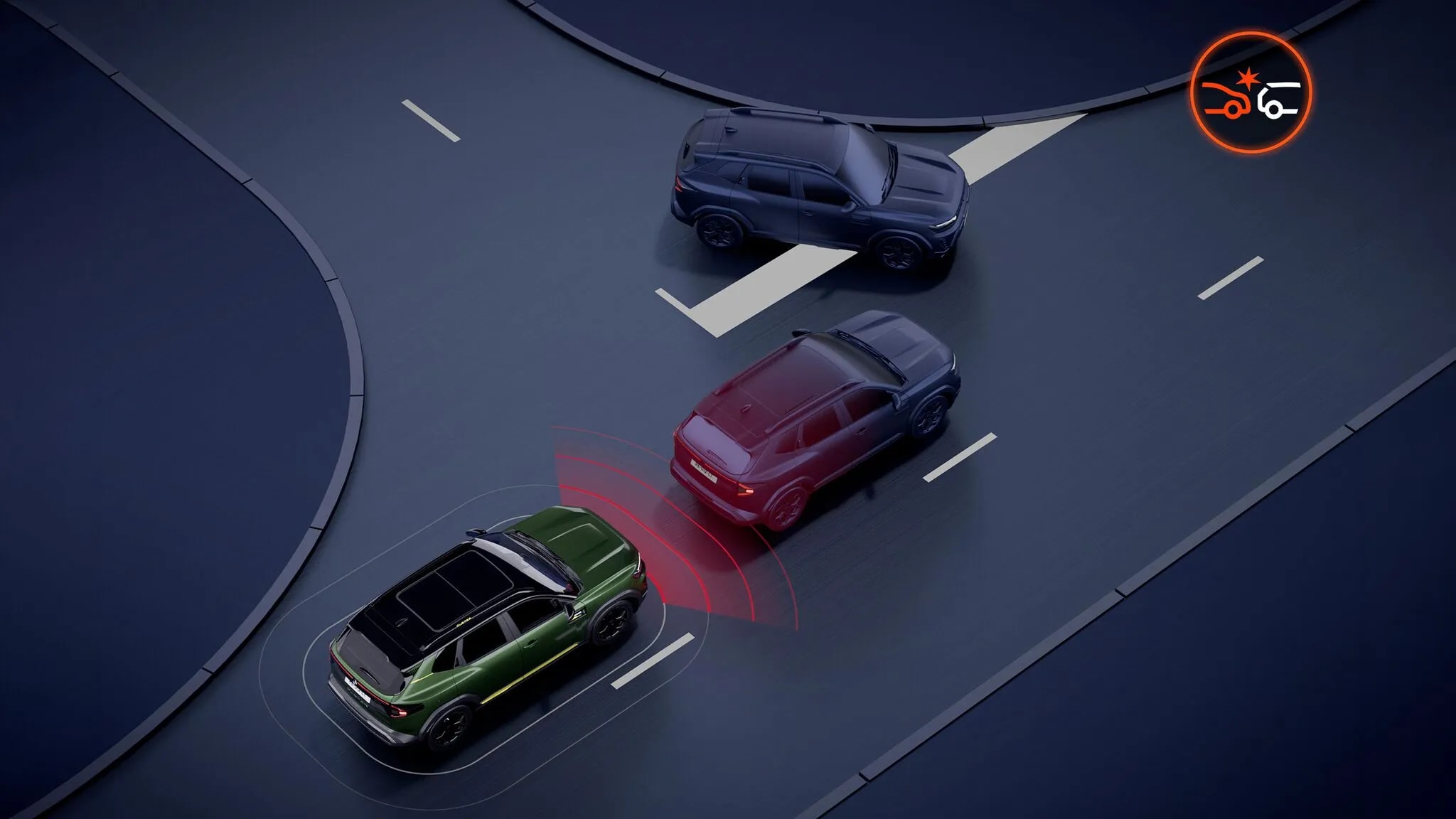
Safety covers 6 airbags, ADAS with 17 camera-based features (adaptive cruise control, lane keep assist, blind spot warning, auto emergency braking), ESP, hill descent control, 360-degree camera, and 3-point seatbelts for all five passengers.
Renault Duster Price & Variants
Prices start at ₹10.49 lakh (ex-showroom) across five trims: Authentic, Evolution, Techno, Techno+, and Iconic. The limited Iconic Launch Edition is restricted to 2,026 units. Renault backs it with a standard 3-year/1,00,000 km warranty and extended warranty up to 4 years/1,50,000 km under the Renault Forever Program.
The Duster’s return isn’t perfect - no diesel, no AWD - but the core product is strong. For what you pay, it’s hard to find a more complete package in this segment right now.
Planning to buy the Renault Duster?
Authorized dealerships in your city put forward their best on-road price upfront, compare transparent offers side by side right from your phone. Free for buyers, with zero spam calls.
Related Stories
Get insights in your inbox
Every week, our editorial team brings you the biggest price cuts, car reviews and comparisons and car-buying guides - so you never miss out